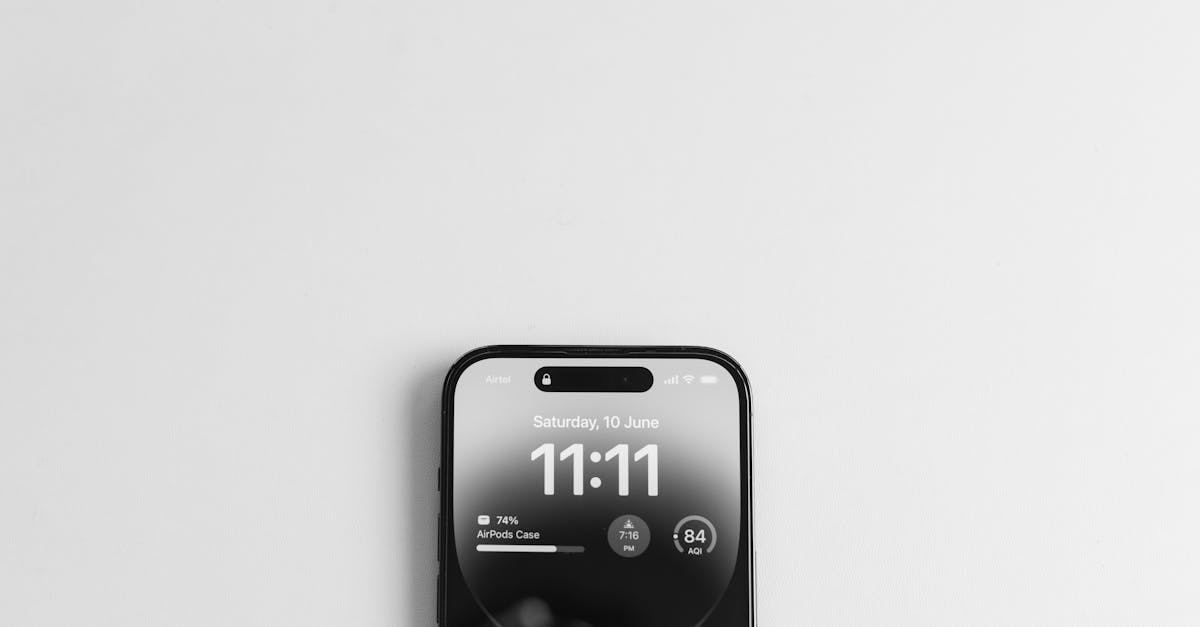
In a world where smartphones have become an extension of ourselves, the right apps can transform everyday tasks into seamless experiences. Whether you’re looking to boost productivity, unleash your creativity, or simply entertain yourself during those awkward waiting moments, the perfect app is just a tap away.
Table of Contents
ToggleOverview of Top 50 Mobile Apps
Mobile apps significantly enhance the smartphone experience. They serve diverse purposes, from communication and productivity to entertainment and education. Users rely on popular applications to streamline their daily activities.
First, communication apps dominate user downloads, with platforms like WhatsApp and Telegram providing instant messaging. These tools facilitate seamless interaction globally.
Next, productivity apps like Trello and Evernote improve task management. Many professionals use these tools to organize projects and enhance collaboration.
Additionally, social media applications like Instagram and TikTok engage millions. They allow users to create and share content effortlessly, shaping modern communication trends.
Entertainment apps also capture attention, including Netflix and Spotify. These platforms offer a vast selection of films, series, and music, catering to diverse preferences.
Educational apps, such as Duolingo and Khan Academy, support learning. They provide resources for language acquisition and skill development, accessible to users of all ages.
Financial apps play a crucial role in personal budgeting. Services like Mint and Robinhood allow users to track expenses and invest, promoting better financial health.
Shopping apps like Amazon and eBay transform retail experiences. Customers can find products easily and read reviews before making purchases.
Lastly, fitness applications, including MyFitnessPal and Fitbit, support health goals. These tools track workouts and promote healthy habits, appealing to an active audience.
Collectively, the top mobile apps cater to a broad range of needs, reflecting the diverse interests of smartphone users.
Categories of Mobile Apps
Mobile apps serve numerous functions in everyday life, improving user experiences across various sectors. They can be classified into several categories, each addressing specific needs.
Productivity Apps
Productivity apps streamline daily tasks, enhancing efficiency for users. Trello organizes projects visually, making task management intuitive. Evernote captures notes and ideas, ensuring important information is always accessible. Google Drive provides cloud storage, facilitating file sharing and collaboration. Microsoft Teams supports team communication, allowing seamless interaction and organization. Each tool aims to help individuals and teams maximize their time and efforts.
Entertainment Apps
Entertainment apps offer diverse content for enjoyment and relaxation. Netflix presents a wide range of films and series, catering to various tastes. Hulu combines current episodes with classic shows, appealing to different audiences. Spotify delivers a vast library of music, enabling users to discover new artists and create personalized playlists. YouTube hosts an extensive collection of videos, from tutorials to vlogs, entertaining global viewers. With these applications, users can easily find something enjoyable to watch or listen to.
Social Media Apps
Social media apps connect people, fostering communication and sharing. Facebook enables users to create profiles, share updates, and interact with friends. Instagram focuses on photo and video sharing, allowing creativity to flourish. TikTok engages audiences through short-form videos, often setting trends and challenges. Twitter provides a platform for real-time updates and discussions on various topics. Each of these applications enhances social interaction, reflecting current cultural trends and practices.
In-Depth Reviews of Selected Apps
Numerous mobile apps stand out for their ability to enhance user experience across multiple functions. Here’s a closer look at some of the top choices.
Top Productivity Apps
Google Drive ranks among the leading productivity apps, offering effortless file storage and sharing. Users appreciate real-time collaboration features that enhance teamwork. Microsoft Teams functions similarly, providing a robust platform for virtual meetings and project management. Trello excels in task organization, utilizing boards and cards to streamline workflows. Evernote remains a favorite for note-taking, allowing users to capture and organize ideas efficiently. Each app supports specific productivity needs, making some essential tools for anyone looking to optimize their efficiency.
Top Entertainment Apps
Netflix captures attention with its extensive library of films and series, catering to diverse tastes. Subscribers often engage with original content, enhancing viewing experience. Spotify excels in music streaming, providing personalized playlists tailored to listeners’ preferences. Hulu offers a combination of shows, movies, and live TV, making it a versatile entertainment choice. YouTube stands out for its vast content range, from amateur creators to professional productions, ensuring something for everyone. Each app delivers unique forms of entertainment, making them indispensable in leisure time.
Top Social Media Apps
Instagram captures users’ focus with visually driven content, connecting friends and influencers. Engagement through likes and comments fosters community interaction. Facebook remains prominent, allowing for diverse sharing options and networking opportunities. Twitter offers real-time news updates, enabling users to follow trending topics and discussions. TikTok thrives on short-form videos, encouraging creativity and viral challenges. Each app meets specific social needs, contributing to the evolving landscape of digital communication.
User Experience and Interface Design
User experience (UX) and interface design play critical roles in the effectiveness of mobile apps. Engaging interfaces impact user engagement, making navigation intuitive. A clean layout, for instance, facilitates easy access to features. Color schemes and typography influence aesthetic appeal, enhancing user interaction.
Functionality remains essential in UX design. Users expect responsive applications. Lagging features frustrate users, potentially leading them to uninstall an app. Regular updates can optimize performance, ensuring smoother interactions.
Accessibility also proves vital for a diverse user base. Including features like voice commands and adjustable text sizes broadens usability. Customization options allow users to tailor experiences, fostering a sense of ownership.
User feedback drives improvements in design. Actively seeking reviews and adapting based on user suggestions strengthens app performance. Analytics help developers understand user behavior, providing insights for future upgrades.
Testing user interfaces through A/B testing uncovers preferences among different designs. This method delivers valuable data, determining what resonates with users. Keeping user-centric design principles in focus encourages loyalty.
Research shows that apps with exceptional UX boast higher retention rates. Investing in user experience design, therefore, pays off. The best apps, like Google Drive, feature simple navigation and efficient organization, which enhance user satisfaction.
Security and Privacy Features
Mobile apps prioritize security and privacy, ensuring user data remains protected. Password encryption enhances safety, making unauthorized access difficult. Two-factor authentication offers an additional layer, requiring users to verify their identity using a secondary method, such as text or email validation.
Regular updates address vulnerabilities, allowing developers to fix potential security flaws promptly. Privacy policies inform users about data collection practices, fostering transparency and trust between users and app developers. Some apps provide options for users to customize privacy settings, enabling more control over personal information shared with third parties.
Data anonymization techniques further enhance privacy, removing identifiable information from user datasets. Permissions management empowers users to decide which features to access, limiting unnecessary data exposure. Users can also review permissions before installation, understanding what kind of data the app will access.
Compliance with regulations like GDPR and CCPA ensures that apps adhere to legal standards regarding data handling and user consent. Security audits and penetration testing identify vulnerabilities, guiding developers to strengthen their app infrastructure.
End-to-end encryption protects messages and calls within communication apps, securing conversations from interception. Frequent security assessments assess potential risks and improve overall security protocols.
By integrating these security and privacy measures, mobile apps create a safer environment, allowing users to engage without fear of data breaches or misuse.
The landscape of mobile apps continues to evolve rapidly, offering users innovative solutions for everyday tasks. With a diverse array of applications available, individuals can find tools that cater to their specific needs, whether it’s enhancing productivity or providing entertainment.
The emphasis on user experience and security ensures that these apps not only perform well but also protect user data. As technology advances, the importance of staying updated with the latest apps remains crucial for maximizing the smartphone experience. Embracing these top mobile apps can lead to a more efficient and enjoyable digital life.